
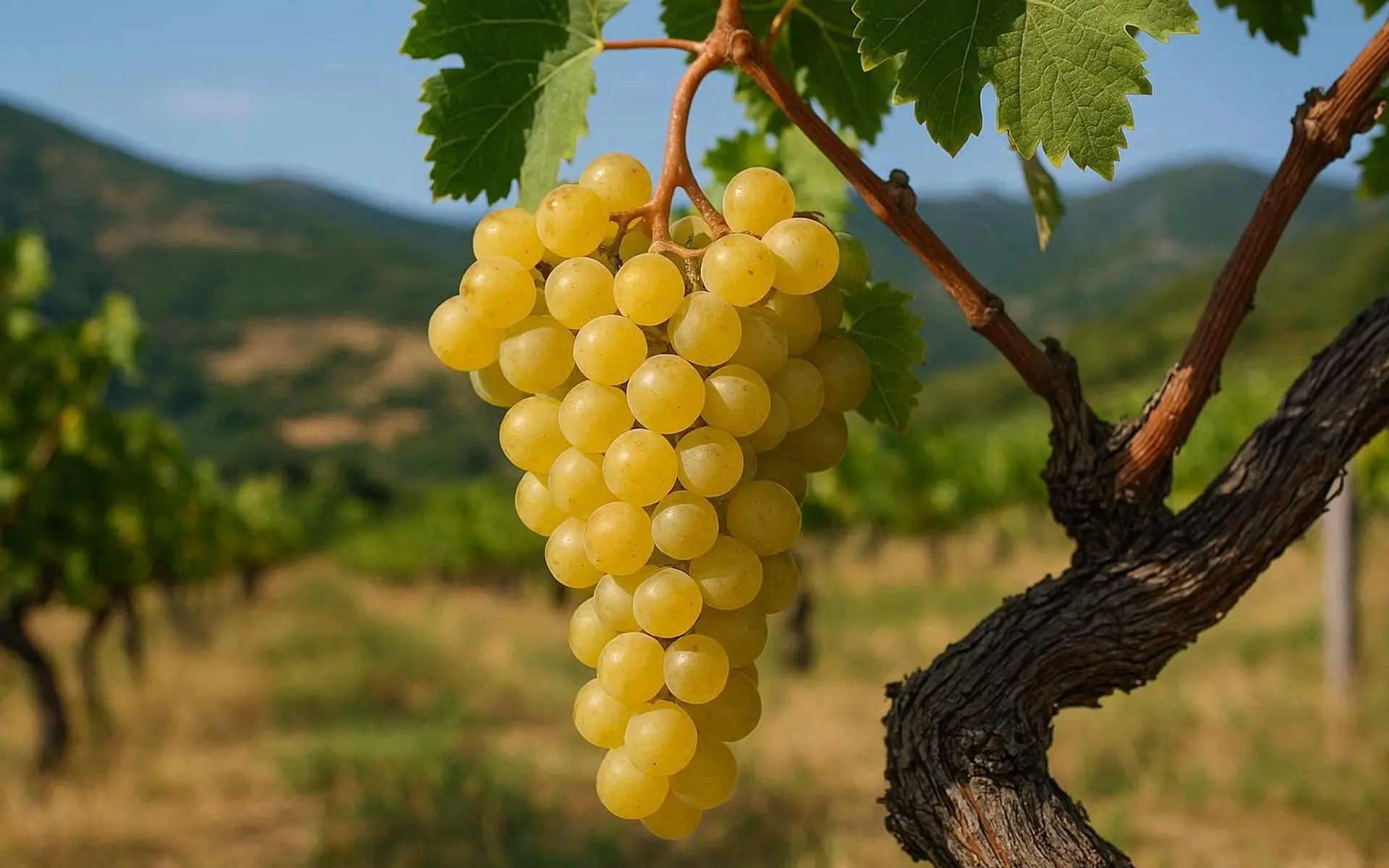


Il vitigno che dà voce a Zitsa
C
i sono vitigni che non si comprendono davvero se non ci si arrampica fino ai loro luoghi d’origine.
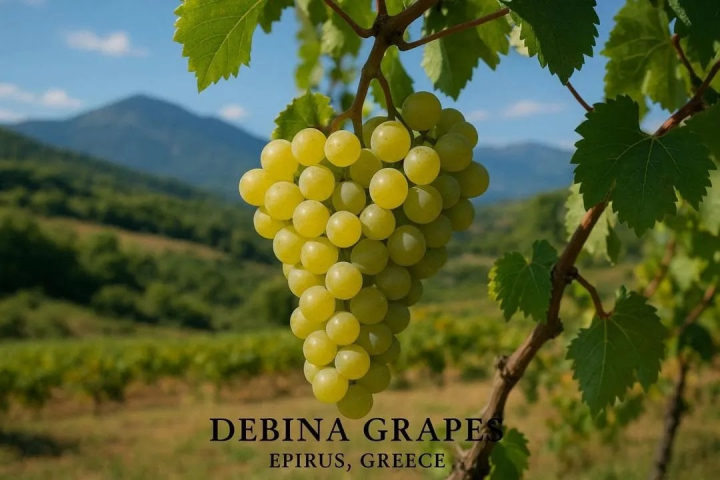
Il Debina — bianco, sottile, verticalissimo — appartiene a questa categoria.
Vive tra le colline calcaree dell’Epiro e soprattutto nell’areale di Zitsa, una delle zone più fresche e peculiari della Grecia continentale.
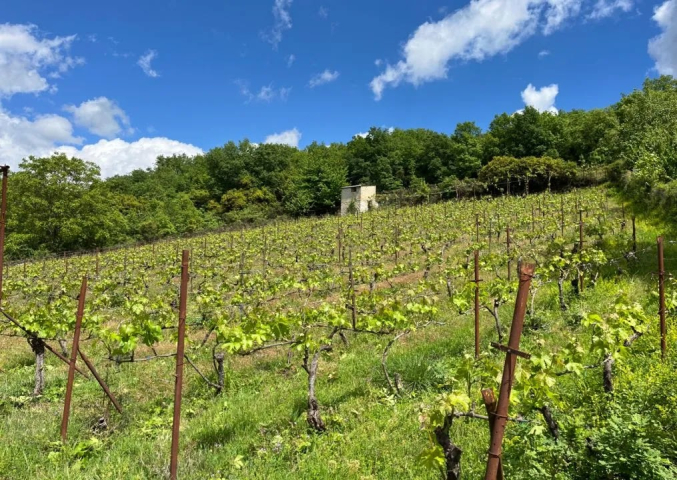
Qui, dove l’altitudine sfiora i 700 metri, i versanti sassosi e la ventilazione costante modellano uve dalla spiccata acidità, capaci di dare vini che sembrano scolpiti più dall’aria di montagna che dal sole mediterraneo.
È un vitigno antico, documentato secondo alcune fonti almeno dalla fine del XVI secolo, e prende probabilmente il nome dal villaggio di Dabeni, tra Kastoria e Korçë (oggi Albania meridionale).
La sua storia — come spesso accade nei confini mobili dei Balcani — è condivisa: la Debina è infatti coltivata anche nella zona di Përmet, nell’Albania meridionale, dove resta tuttora una varietà tradizionale.
Ma è a Zitsa che ha trovato la sua espressione più caratteristica, tanto da diventare l’unico vitigno ammesso nella PDO Zitsa, riconosciuta nel 1972 e dedicata ai vini fermi, mossi e spumanti da Debina.
Il poeta Lord Byron, che passò più volte da Ioannina durante i suoi viaggi balcanici, rimase impressionato dalla freschezza del vino locale: è tra i primi stranieri a citarne le qualità, sottolineando la tensione acida e la beva croccante, caratteristiche rimaste intatte nei vini moderni.
Profilo ampelografico e comportamento in vigna
Il Debina è una varietà a maturazione tardiva, dotata di ottima vigoria e produttività. Per contro, è sensibile a una serie di criticità agronomiche:
– botrite, che può colpire facilmente a causa della buccia sottile;
– oidio e peronospora, verso cui mostra particolare vulnerabilità;
– gelate primaverili, frequenti nelle zone interne dell’Epiro;
– siccità, soprattutto nei suoli più magri.
Aidani: la voce floreale delle Cicladi
Si adatta però molto bene ai terreni calcarei, asciutti e poco profondi, dove l’escursione termica e la ventilazione mantengono l’uva sana e fragrante.
Una caratteristica che gli agronomi locali evidenziano da tempo è l’effetto dei terreni ricchi in potassio, che contribuisce sia alla resistenza contro alcune malattie fungine sia alla corretta maturazione fenolica.
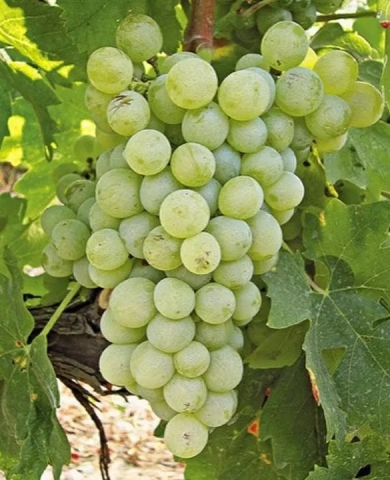
Curiosamente, pur essendo un’uva tecnicamente “semplice”, è stata usata per secoli anche come uva da tavola, grazie alla polpa croccante e al profilo aromatico discreto.
Caratteri aromatici e stile dei vini
Il Debina è una delle poche uve greche naturalmente predisposte alla spumantizzazione. L’acidità alta — spesso sopra 7 g/L — e l’alcol moderato lo rendono perfetto per versioni metodo classico e charmat.
Nei vini fermi, l’espressione è cristallina:
– note di mela verde, pera Williams, limone e lime;
– tocchi erbacei o botanici, talvolta quasi da infuso;
– struttura snella, salinità evidente e finale molto teso.
Negli spumanti, è la componente agrumata ad emergere, insieme a una finezza quasi alpina che lo distingue dalle altre varietà greche più mediterranee.
Il colore è generalmente giallo paglierino tenue, con riflessi verdolini molto marcati nelle versioni giovani.
Aree di coltivazione
Oggi il Debina è presente principalmente in:
– Epiro (Zitsa, Ioannina) – cuore storico del vitigno e unica area con PDO dedicata;
– alcune aree di Tessaglia e Peloponneso, dove è stato introdotto in epoca recente;
– Albania meridionale (Përmet), dove costituisce una delle varietà bianche autoctone più importanti.
Secondo i dati di Kym Anderson (2016), la superficie coltivata in Grecia si attestava su circa 14 ettari registrati, un dato probabilmente parziale e riferito ai soli vigneti destinati alla vinificazione certificata.
Fonti greche parlano ancora oggi di una coltivazione più ampia nell’area di Ioannina, tradizionalmente stimata in diverse migliaia di ettari considerando anche i vecchi impianti misti.
Debina e la PDO Zitsa
La PDO Zitsa, istituita nel 1972, rappresenta uno dei rari casi in Grecia in cui una sola varietà regola l’intera denominazione. Le tipologie ammesse sono:
– bianco secco fermo,
– vino mosso (semi-sparkling),
– spumante metodo classico o charmat.
La denominazione si trova in una zona fresca, piovosa e ventilata, con suoli calcarei e altitudini che vanno dai 600 ai 700 metri.
L’influenza del vicino Golfo di Ambracia, tramite correnti marine che risalgono le vallate, contribuisce a mantenere l’acidità e a definire un microclima quasi montano-marittimo.
Debina: interpretazioni contemporanee
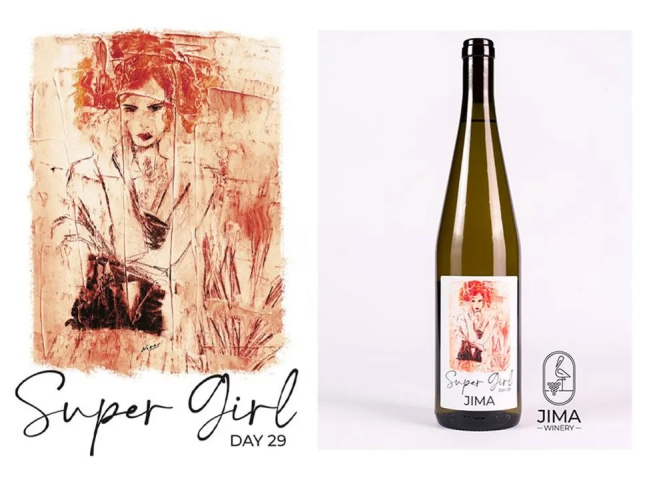
Negli ultimi vent’anni, produttori come Jima, Zoinos Winery, Domaine Glinavos e piccoli altri vignaioli dell’Epiro hanno rilanciato il Debina in chiave moderna, valorizzandolo con:
– raccolte anticipate per preservare freschezza;
– vinificazioni a bassa temperatura;
– spumanti metodo classico di crescente complessità;
– fermentazioni spontanee o macerazioni brevi, che ne ampliano struttura e salinità.
Il risultato è una tipologia di vino che oggi si sta ritagliando un posto nella rinascita del vino greco, soprattutto nelle categorie dei bianchi leggeri, croccanti e gastronomici.
Debina in breve
Origine: Grecia nord-occidentale (Epiro); attestato anche in Albania (Përmet).
Sinonimi: Debina Metsovou, Debina Palea, Dempina, Giatrou, Ntempina, Tempina, Zitsa, Zitz.
Tipologia: Vitigno a bacca bianca, a maturazione tardiva.
Profilo aromatico: mela verde, pera, agrumi, erbe delicate.
Caratteristiche enologiche: acidità elevata, alcol moderato, predisposizione alla spumantizzazione.
Stile dei vini: bianchi tesi e salini, mossi, spumanti metodo classico.
Aree di coltivazione: Zitsa (PDO), Epiro, Tessaglia, Peloponneso; Albania meridionale.
Sensibilità: botrite, oidio, peronospora, siccità, gelate primaverili.
Terreni ideali: suoli calcarei e poveri, altitudini 600–700 m, clima fresco e ventilato.
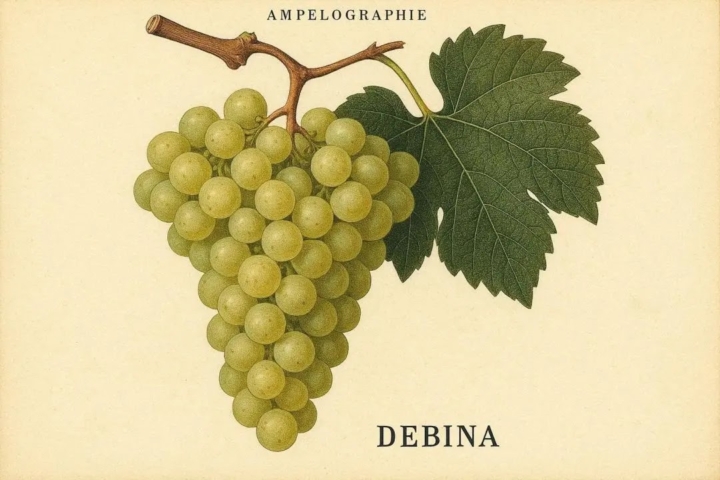
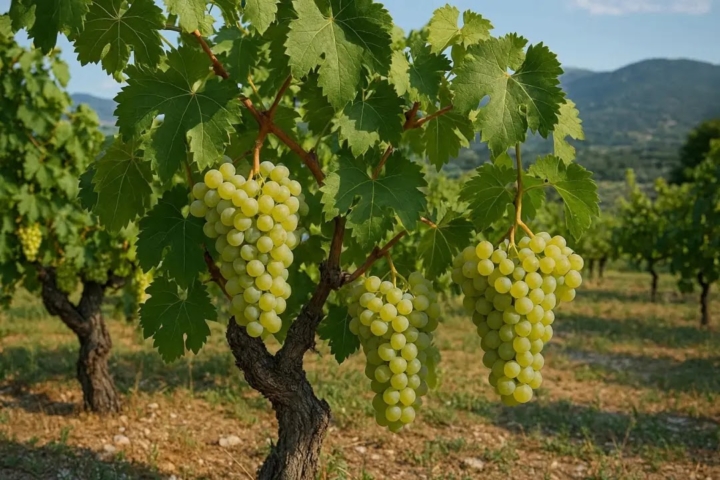
DEBINA: THE VERTICAL SOUL OF EPIRUS
The grape that gives voice to Zitsa**
Some grape varieties can only be understood by climbing up to the places where they were born. Debina — pale, linear, distinctly vertical — belongs to this category. It thrives on the calcareous hills of Epirus, especially around Zitsa, one of Greece’s coolest inland wine regions. At nearly 700 meters above sea level, with rocky soils and almost constant breezes, Debina develops its hallmark high acidity and sharp, mountain-like freshness.
An ancient variety, documented as early as the late 16th century, its name likely derives from the village of Dabeni between Kastoria and Korçë (today southern Albania). Its story, like many in the Balkans, is shared across borders: Debina is also cultivated in the Përmet area of Albania, where it remains a traditional local grape. Yet it is in Zitsa that Debina has found its truest identity, becoming the sole variety permitted in the PDO Zitsa, established in 1972 and dedicated to still, semi-sparkling and sparkling wines exclusively from Debina.
The British poet Lord Byron, who traveled repeatedly through Ioannina during his Balkan journeys, praised the local wine for its vibrant acidity and refreshing character — traits still central to Debina’s profile today.
Ampelographic profile and vineyard behaviour
Debina is a late-ripening, vigorous and productive white variety, with notable sensitivity to:
– botrytis, due to its thin skins;
– powdery and downy mildew;
– spring frosts, common in Epirus;
– drought stress.
It adapts well to calcareous, dry, shallow soils, where altitude and ventilation help preserve aromatic purity. Growers note that potassium-rich soils enhance both disease resistance and proper phenolic ripeness.
For centuries, Debina was also used as a table grape, appreciated for its crisp texture and subtle aromatics.
Aromatic profile and wine styles
Debina is one of Greece’s few native grapes naturally suited for sparkling wine. Its high acidity — often above 7 g/L — and modest alcohol make it ideal for both traditional-method and Charmat sparkling styles.
Still wines typically display:
– green apple, pear, lemon and lime;
– delicate herbal notes;
– a linear, saline, refreshing palate.
Sparkling versions emphasize citrus brightness and a mountain-air clarity that distinguishes Debina from more Mediterranean Greek varieties.
Colours are usually pale straw with green reflections, especially in youthful wines.
Growing areas
Debina is cultivated mainly in:
– Epirus (Zitsa, Ioannina) – its historical home and the only PDO area;
– parts of Thessaly and the Peloponnese;
– southern Albania (Përmet).
According to Kym Anderson (2016), Greece registered around 14 hectares, though traditional plantings in Epirus historically covered several thousand hectares, including mixed old vineyards not included in formal statistics.
Debina and the PDO Zitsa
The PDO Zitsa, created in 1972, is unique among Greek appellations in authorizing a single grape variety. It includes:
– still dry white,
– semi-sparkling,
– traditional-method or Charmat sparkling wines.
The region is cool, rainy and well-ventilated, with limestone soils and elevations of 600–700 meters. Breezes rising from the nearby Ambracian Gulf help maintain acidity and contribute to the area’s distinctive mountain-maritime microclimate.
Contemporary expressions
Over the last two decades, producers such as Zoinos Winery, Domaine Glinavos, JIma and other small Epirus growers have revived Debina through:
– early harvesting to preserve freshness;
– cool fermentations;
– increasingly refined traditional-method sparkling wines;
– spontaneous fermentations or brief macerations to enhance texture and complexity.
Today Debina is gaining momentum in Greece’s white-wine renaissance, standing out for its tension, minerality and gastronomic versatility.
Debina at a glance
Origin: Northwestern Greece (Epirus); also grown in Albania (Përmet).
Synonyms: Debina Metsovou, Debina Palea, Dempina, Giatrou, Ntempina, Tempina, Zitsa, Zitz.
Type: Late-ripening white grape.
Aromatics: Green apple, pear, citrus, light herbal notes.
Enology: High acidity, moderate alcohol, excellent for sparkling wines.
Styles: Still white, semi-sparkling, traditional-method sparkling.
Regions: Zitsa (PDO), Epirus, Thessaly, Peloponnese; southern Albania.
Sensitivities: Botrytis, powdery mildew, downy mildew, drought, spring frost.
Ideal soils: Calcareous, shallow, well-drained soils at 600–700 m altitude.
ΝΤΕΜΠΙΝΑ (DEBINA): Η ΚΑΤΑΚΟΡΥΦΗ ΨΥΧΗ ΤΗΣ ΗΠΕΙΡΟΥ
Η ποικιλία που δίνει φωνή στη Ζίτσα**
Υπάρχουν ποικιλίες που δεν τις καταλαβαίνεις πραγματικά αν δεν ανεβείς στα μέρη όπου γεννήθηκαν. Η Ντεμπίνα — λεπτή, δροσερή, κάθετη — ανήκει ακριβώς σε αυτή την κατηγορία. Ευδοκιμεί στους ασβεστολιθικούς λόφους της Ηπείρου και ιδιαίτερα γύρω από τη Ζίτσα, μια από τις πιο δροσερές και ορεινές αμπελουργικές ζώνες της Ελλάδας. Στα 700 μέτρα υψόμετρο, με φτωχά πετρώδη εδάφη και συνεχείς ανέμους, η ποικιλία αποκτά τη χαρακτηριστική υψηλή οξύτητα και την ορεινή φρεσκάδα της.
Πρόκειται για παλιά ποικιλία, καταγεγραμμένη από τα τέλη του 16ου αιώνα. Το όνομά της πιθανότατα προέρχεται από το χωριό Νταμπένη ανάμεσα στην Καστοριά και την Κορυτσά. Η ιστορία της — όπως συχνά στα Βαλκάνια — είναι κοινή και διασυνοριακή: καλλιεργείται και στην περιοχή του Περμετιού στην Αλβανία. Ωστόσο, στη Ζίτσα η Ντεμπίνα βρήκε την πιο αυθεντική της έκφραση, αποτελώντας τη μοναδική ποικιλία της ΠΟΠ Ζίτσα, που θεσπίστηκε το 1972 και αφορά αποκλειστικά ήρεμους, ημιαφρώδεις και αφρώδεις οίνους από Ντεμπίνα.
Ο Λόρδος Βύρωνας, που ταξίδεψε επανειλημμένα στα Γιάννενα, εξήρε το ντόπιο κρασί για τη ζωντανή οξύτητα και τη φρεσκάδα του — στοιχεία που χαρακτηρίζουν και τα σημερινά κρασιά Ντεμπίνα.
Αμπελογραφικό προφίλ και συμπεριφορά στο αμπέλι
Η Ντεμπίνα είναι όψιμης ωρίμανσης, με υψηλή ζωηρότητα και παραγωγικότητα, αλλά παρουσιάζει ευαισθησία σε:
– βοτρύτη, λόγω του λεπτού φλοιού,
– ωΐδιο και περονόσπορο,
– ανοιξιάτικους παγετούς,
– ξηρασία.
Προσαρμόζεται ιδιαίτερα καλά σε ασβεστολιθικά, φτωχά και ξηρά εδάφη, όπου το υψόμετρο και ο αερισμός διατηρούν την καθαρότητα των αρωμάτων. Τα εδάφη πλούσια σε κάλιο ενισχύουν τόσο την ανθεκτικότητα στις ασθένειες όσο και την ομαλή ωρίμανση.
Για πολλούς αιώνες χρησιμοποιήθηκε επίσης και ως επιτραπέζια ποικιλία, χάρη στην τραγανή σάρκα της.
Αρωματικός χαρακτήρας και στυλ οίνων
Η Ντεμπίνα είναι μία από τις λίγες ελληνικές ποικιλίες με φυσική προδιάθεση για αφρώδη οίνο. Η υψηλή οξύτητα και ο χαμηλός αλκοολικός τίτλος την καθιστούν ιδανική για παραδοσιακή μέθοδο ή Charmat.
Στα ήρεμα κρασιά κυριαρχούν:
– πράσινο μήλο, αχλάδι, λεμόνι και λάιμ,
– λεπτές βοτανικές νύξεις,
– αλμυρή, δροσερή και ευθύγραμμη γεύση.
Στους αφρώδεις οίνους, η ποικιλία εκφράζει έντονη κιτρική καθαρότητα και ένα αίσθημα «ορεινής διαφάνειας» που τη διαφοροποιεί από τις πιο μεσογειακές ελληνικές ποικιλίες.
Το χρώμα της είναι ωχρό λεμονί, με πρασινωπές ανταύγειες.
Ζώνες καλλιέργειας
Η Ντεμπίνα καλλιεργείται κυρίως:
– στην Ήπειρο (Ζίτσα, Ιωάννινα),
– σε περιοχές της Θεσσαλίας και της Πελοποννήσου,
– στη νότια Αλβανία (Περμετί).
Σύμφωνα με τον Kym Anderson (2016), τα καταγεγραμμένα στρέμματα στην Ελλάδα ήταν περίπου 14 εκτάρια, αριθμός που δεν υπολογίζει τους παλιούς παραδοσιακούς αμπελώνες της Ηπείρου που εκτείνονταν ιστορικά σε πολύ μεγαλύτερη έκταση.
Ντεμπίνα & ΠΟΠ Ζίτσα
Η ΠΟΠ Ζίτσα (1972) είναι ιδιαίτερη στον ελληνικό αμπελώνα, καθώς επιτρέπει μία μόνο ποικιλία. Οι κατηγορίες που προβλέπονται είναι:
– λευκός ξηρός,
– ημιαφρώδης,
– αφρώδης παραδοσιακής μεθόδου ή Charmat.
Η περιοχή είναι δροσερή, υγρή και ανεμόπληκτη, με ασβεστολιθικά εδάφη και υψόμετρο 600–700 μέτρων. Τα ρεύματα από τον Αμβρακικό ενισχύουν τη δροσιά και διαμορφώνουν ένα μικροκλίμα ορεινό–παράκτιο.
Σύγχρονες οινοποιήσεις
Τα τελευταία είκοσι χρόνια, παραγωγοί όπως οι Zoinos Winery, Domaine Glinavos, Jima και διάφοροι μικροί αμπελουργοί της Ηπείρου αναδεικνύουν εκ νέου τη Ντεμπίνα μέσω:
– πρωιμότερου τρύγου,
– ζυμώσεων σε χαμηλές θερμοκρασίες,
– όλο και πιο εκλεπτυσμένων αφρωδών,
– αυτόχθονων ζυμών ή σύντομης εκχύλισης για μεγαλύτερη δομή.
Σήμερα η Ντεμπίνα διεκδικεί μια ιδιαίτερη θέση στη νέα ελληνική οινική σκηνή, ξεχωρίζοντας για τη νευρικότητα, την αλμυρότητα και τη γαστρονομικότητά της.
Ντεμπίνα συνοπτικά
Προέλευση: Ήπειρος· επίσης στο Περμετί Αλβανίας.
Συνώνυμα: Debina Metsovou, Debina Palea, Dempina, Giatrou, Ntempina, Tempina, Zitsa, Zitz.
Τύπος: Λευκή ποικιλία όψιμης ωρίμανσης.
Αρώματα: πράσινο μήλο, αχλάδι, εσπεριδοειδή, λεπτές βοτανικές νύξεις.
Οινολογία: υψηλή οξύτητα, μέτριος αλκοολικός τίτλος, ιδανική για αφρώδη.
Στυλ: λευκοί ξηροί, ημιαφρώδεις, αφρώδεις παραδοσιακής μεθόδου.
Ζώνες: ΠΟΠ Ζίτσα, Ήπειρος, Θεσσαλία, Πελοπόννησος· νότια Αλβανία.
Ευαισθησίες: βοτρύτης, ωΐδιο, περονόσπορος, ξηρασία, παγετοί.
Εδάφη: ασβεστολιθικά, φτωχά, καλά στραγγιζόμενα, σε υψόμετρο 600–700 μ