
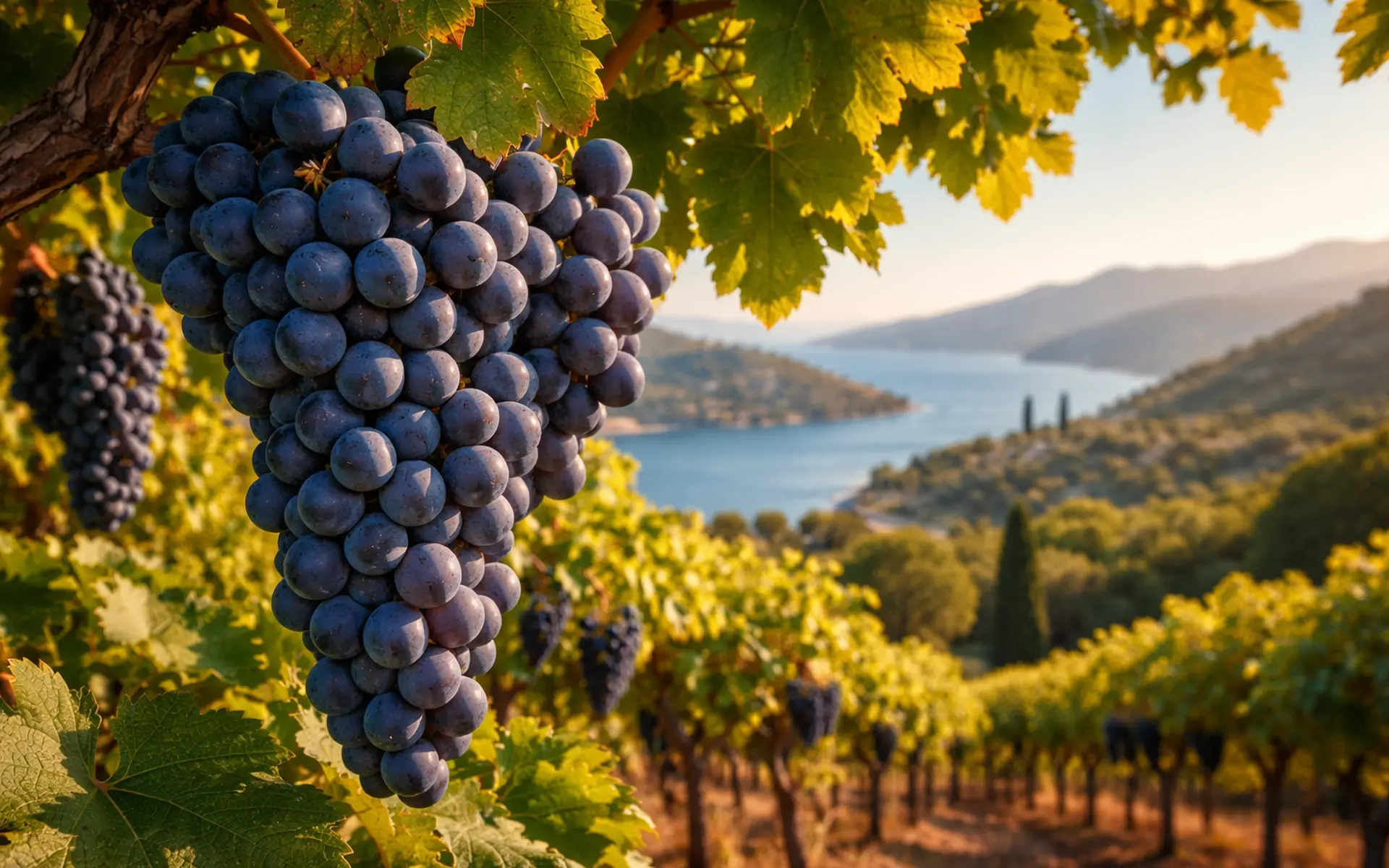

Un vitigno antico dal nome evocativo
Q
Il nome Mavrodaphne (in greco Μαυροδάφνη, letto “Mavrodafni”) significa “alloro nero”. È un nome che unisce forza e eleganza, come le sue uve: «Μαυρο» (“mavro”) significa nero o scuro, mentre «δάφνη» (“dafni”) è l’alloro, pianta sacra ad Apollo.
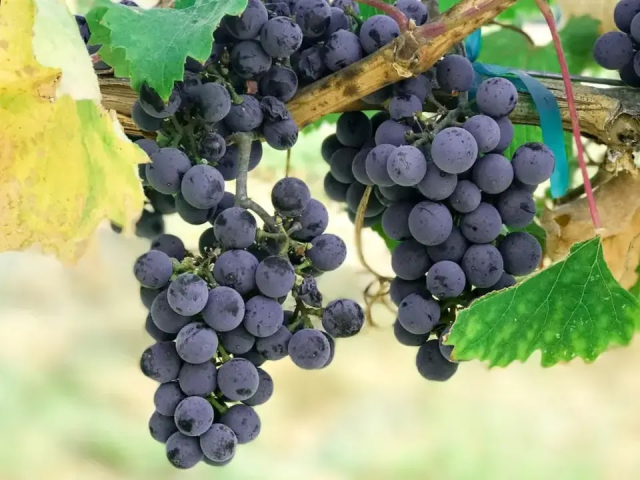
Questo vitigno a bacca rossa è originario della Grecia occidentale e ha un fascino che unisce tradizione, storia e carattere.
Conosciuto anche con numerosi sinonimi — Ahmar Mechtras, Fraoula Kokkini, Mavro Daphni, Mavrodaphne Patras, Mavrodaphne Keffalonia, Mavrodaphnitsa, Thiniatiko — il Mavrodaphne rimane oggi una delle uve più iconiche della viticoltura greca.
Dal punto di vista genetico, l’ascendenza è ancora in parte sconosciuta, ma analisi recenti indicano legami con la varietà Avgoustiatis, e una relazione di parentela con le uve Tsaoussi e Zakynthino. Tra i cloni più diffusi si distinguono il Regnio, dagli acini più compatti, e il Tsigelo, dagli acini più piccoli.
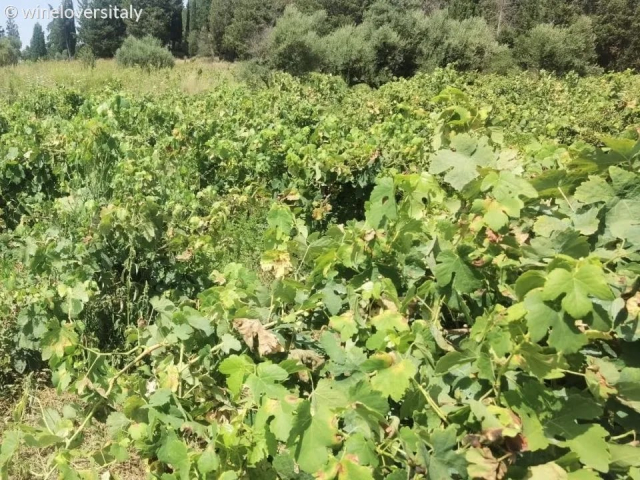
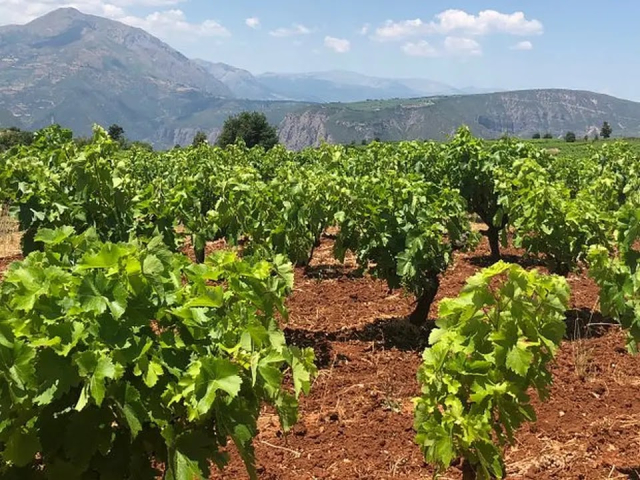
Il Mavrodaphne trova il suo habitat ideale nel Peloponneso nord-occidentale, in particolare nell’area di Acaia, attorno alla città portuale di Patrasso, e sulle isole Ionie di Cefalonia e Lefkada.
Da queste zone nascono le due Denominazioni di Origine Protetta principali: PDO Mavrodaphne of Patras e PDO Mavrodaphne of Kefalonia.
Nel 2016 erano censiti circa 324 ettari di vigneti dedicati a questa varietà, ma la sua importanza culturale supera di gran lunga la dimensione numerica: il Mavrodaphne è, insieme al Moschofilero e all’Agiorgitiko, uno dei simboli della rinascita enologica greca.
Gustav Clauss e la nascita del Mavrodaphne di Patrasso
La storia moderna del Mavrodaphne è indissolubilmente legata al nome di Gustav Clauss (1825-1908), un imprenditore bavarese che nel 1854 giunse in Grecia per conto della società tedesca Fels & Co., impegnata nel commercio di uva sultanina Korinthiaki, esportata in tutta Europa.
A metà Ottocento, la Grecia stava vivendo un momento di espansione economica: le esportazioni di uva passa verso Londra, Marsiglia, Trieste, Amsterdam e Odessa rappresentavano una risorsa fondamentale per il giovane Stato ellenico, da poco indipendente dall’Impero Ottomano.
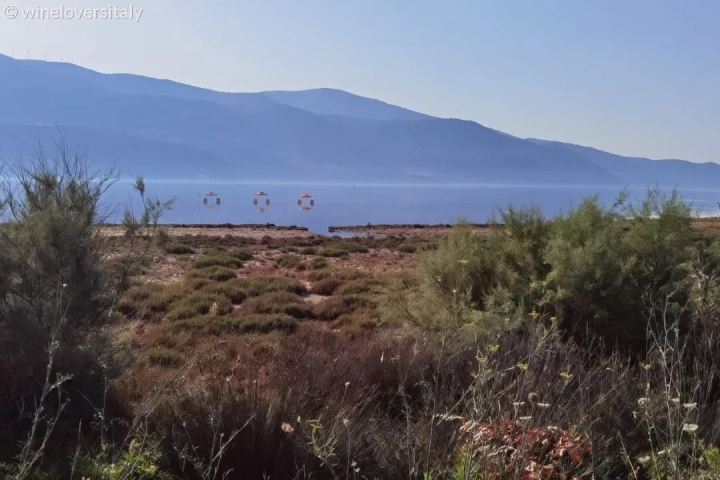
Clauss, filelleno e appassionato di cultura classica, si innamorò della terra di Patrasso, dei suoi pendii assolati e del clima mite. Durante una cavalcata tra i colli che dominano il Golfo, decise di acquistare un piccolo appezzamento e di dedicarsi alla viticoltura.
Il Rozaki
Nel 1861 fondò la Achaia-Clauss Wine Company, costruendo torchi e cantine in pietra ancora oggi visitabili.
Nel 1873, ispirandosi ai grandi vini fortificati europei, Clauss produsse il primo Mavrodaphne di Patrasso, destinato a diventare il vino dolce greco più celebre nel mondo.
Il modello era quello dei vini liquorosi della cosiddetta “fascia del sole”, quella zona compresa tra i 32° e i 41° parallelo nord da cui provengono Madeira, Porto, Sherry, Marsala — e appunto, il nuovo Mavrodaphne.
Le condizioni climatiche di Patrasso, con forte insolazione e temperature elevate, garantivano un’ottima maturazione dell’uva e un mosto naturalmente ricco di zuccheri.
Clauss, che aveva viaggiato nella Valle del Douro e conosceva bene il processo di fortificazione, comprese che quel terroir poteva dare un vino dolce, profondo e aromatico, capace di competere con i migliori esempi portoghesi e siciliani.
Fu così che nacque il Mavrodaphne of Patras, vino rosso liquoroso prodotto a partire da uve Mavrodaphne e, in misura minore, Mavri Korinthiaki, la stessa varietà impiegata per la celebre uva sultanina.
Il metodo di produzione
Il Mavrodaphne di Patrasso viene prodotto secondo un processo tradizionale che unisce tecnica e pazienza.
La fermentazione alcolica del mosto viene interrotta con l’aggiunta di alcol neutro o distillato di vino, per preservare una parte degli zuccheri naturali e ottenere una struttura dolce, calda e vellutata.
Il vino viene poi affinato in botti di rovere, spesso per diversi anni.
Le versioni più pregiate — Reserve, Vieille Reserve e Grand Reserve — maturano fino a sette anni, sviluppando complessità aromatica e toni ossidativi che ricordano il porto o il madeira.
Durante l’invecchiamento, alcuni produttori praticano il rabbocco parziale o nullo, lasciando che l’ossidazione contribuisca alla profondità del colore e alla ricchezza del bouquet.
Il risultato è un vino dal colore rosso violaceo impenetrabile, con profumi di prugna matura, vaniglia, cioccolato, viola e spezie dolci. In bocca è complesso, di media acidità, lungo e persistente.
Stili, evoluzioni e sperimentazioni
Tradizionalmente il Mavrodaphne è stato un vino dolce da meditazione, servito con dessert o formaggi erborinati, ma negli ultimi anni alcuni produttori ne hanno riscoperto la versione secca, che rivela un volto più moderno e gastronomico.
Cantine come Sclavos Wines a Cefalonia e Tenuta Merkouri nel Peloponneso hanno iniziato a produrre Mavrodaphne in purezza o in blend con vitigni italiani come Refosco e Refosco dal Peduncolo Rosso, ottenendo vini di struttura, austerità e sorprendente eleganza.
Queste interpretazioni contemporanee stanno contribuendo a ridefinire l’identità del vitigno, dimostrando che il Mavrodaphne può andare oltre il suo celebre stile liquoroso per raccontare una Grecia del vino in continua evoluzione.
Il lascito di Achaia Clauss
Dopo la morte di Gustav Clauss nel 1908, la Achaia Clauss passò attraverso vari passaggi di proprietà, ma rimane ancora oggi la culla storica del Mavrodaphne di Patrasso.
L’azienda dispone di circa 15 ettari di vigneti propri, integra uve da produttori locali e produce complessivamente circa due milioni di bottiglie all’anno, comprendendo anche altre tipologie di vino.
Le antiche cantine in pietra della Achaia Clauss, ancora visitabili, custodiscono botti secolari dove il vino continua a maturare lentamente, respirando la stessa aria salmastra e calda che ispirò il suo creatore oltre 150 anni fa. Oggi il Mavrodaphne è considerato uno dei grandi vini dolci europei, insieme a Porto, Sherry e Marsala.
MAVRODAPHNE IN BREVE
– Il nome Mavrodaphne (in greco Μαυροδάφνη, “alloro nero”) unisce due parole: mavro = nero, dafni = alloro. Un nome poetico che richiama i colori intensi del vino e il profumo delle piante mediterranee.
– È un’antica varietà autoctona greca a bacca rossa, originaria del nord-ovest del Peloponneso e delle Isole Ionie, in particolare Cefalonia e Patrasso, dove nasce il celebre vino dolce PDO Mavrodaphne of Patras.
– Il vitigno fu reso famoso nel 1861 dal bavarese Gustav Clauss, fondatore della storica cantina Achaia Clauss. Clauss produsse per la prima volta un vino dolce fortificato da Mavrodaphne nel 1873, ispirandosi ai grandi vini della “fascia del sole” come Porto, Marsala e Madeira.
– Tradizionalmente il Mavrodaphne dà vita a vini rossi dolci e liquorosi, maturati per anni in legno, con aromi di prugna, cioccolato, vaniglia e spezie, e un colore rosso scuro dai riflessi ambrati.
– Le versioni più pregiate portano in etichetta le menzioni Reserve, Vieille Reserve o Grand Reserve, a seconda del periodo di affinamento (fino a sette anni in botte).
– Alcuni produttori moderni, come Sclavos Wines a Cefalonia o Tenuta Merkouri nel Peloponneso, hanno riscoperto il vitigno in versione secca, rivelando un volto elegante e mediterraneo, fatto di frutta nera, alloro e sale marino.
– È un vino dal cuore greco e dallo spirito europeo, simbolo di una tradizione che unisce storia, luce e passione.
MAVRODAPHNE: THE “BLACK LAUREL” OF GREEK WINE — FROM GUSTAV CLAUSS TO THE SUN BELT LEGACY
DISCOVER MAVRODAPHNE, GREECE’S LEGENDARY SWEET RED BORN IN PATRAS IN 1873. A STORY OF SUN, SEA, AND THE BAVARIAN WHO CHANGED GREEK WINE FOREVER
An ancient grape with an evocative name
In Greek, Μαυροδάφνη (Mavrodafni) means “black laurel.” The word mavro stands for black or dark, while dafni means laurel — the sacred plant of Apollo. It’s a name that unites strength and grace, just like the grape it describes.
This red variety originates from western Greece and carries a deep sense of tradition, history, and identity. Known under several synonyms — Ahmar Mechtras, Fraoula Kokkini, Mavro Daphni, Mavrodaphne Patras, Mavrodaphne Keffalonia, Mavrodaphnitsa, Thiniatiko — it remains one of the most iconic grapes of Greek viticulture.
From a genetic perspective, Mavrodaphne’s ancestry is still partly unknown, but recent DNA analyses suggest a link with Avgoustiatis, as well as a kinship with Tsaoussi and Zakynthino. Two notable clonal variations are Regnio, with compact berries, and Tsigelo, with smaller ones.
Mavrodaphne thrives in northwestern Peloponnese, particularly around Patras, and in the Ionian Islands — chiefly Cephalonia and Lefkada. From these areas come its two Protected Designations of Origin (PDOs): Mavrodaphne of Patras and Mavrodaphne of Kefalonia.
Although only about 324 hectares were recorded in 2016, its cultural importance far exceeds its size: together with Moschofilero and Agiorgitiko, Mavrodaphne is a true emblem of Greek wine’s renaissance.
Gustav Clauss and the birth of Mavrodaphne of Patras
The modern story of Mavrodaphne is inseparable from the name Gustav Clauss (1825–1908), a Bavarian entrepreneur who arrived in Greece in 1854 representing the German company Fels & Co., which traded Korinthiaki sultana raisins across Europe.
In mid-19th-century Greece, the export of dried grapes to London, Marseille, Trieste, Amsterdam and Odessa was vital to the country’s growing economy — a young nation newly freed from Ottoman rule.
A committed philhellene and admirer of classical culture, Clauss fell in love with the sun-drenched hills and mild climate of Patras. During a horseback ride overlooking the gulf, he purchased a small vineyard and decided to dedicate himself to winemaking.
In 1861, he founded the Achaia Clauss Wine Company, building stone cellars and presses that can still be visited today.
In 1873, inspired by the great fortified wines of Europe, Clauss created the first Mavrodaphne of Patras — destined to become the most famous Greek sweet wine in the world.
The model followed that of the so-called “sun belt” wines, produced between 32° and 41° north latitude, from which come Madeira, Port, Sherry, Marsala — and now, Mavrodaphne.
The region’s intense sunlight and warm temperatures allowed grapes to ripen fully, yielding musts naturally high in sugar. Having travelled through the Douro Valley and studied the fortification process, Clauss realized that this terroir could produce a sweet, aromatic, and powerful wine, rivaling the best Portuguese and Sicilian examples.
Thus was born Mavrodaphne of Patras, a fortified red wine made primarily from the Mavrodaphne grape, with a smaller proportion of Mavri Korinthiaki — the same variety used for Greece’s famous sultanas.
The winemaking method
Mavrodaphne of Patras is produced through a traditional process that combines precision and patience. Fermentation is halted by adding neutral alcohol or wine distillate, preserving part of the natural sugars and giving the wine its warm, velvety sweetness.
It is then aged in oak barrels, often for several years. The finest versions — Reserve, Vieille Reserve, and Grand Reserve — mature up to seven years, gaining aromatic complexity and oxidative notes reminiscent of Port or Madeira.
During ageing, some producers partially or entirely avoid topping up the barrels, allowing controlled oxidation to deepen color and enrich the bouquet.
The result is a deep, opaque violet-red wine, with aromas of ripe plum, vanilla, chocolate, violet, and sweet spices. On the palate, it is full-bodied and complex, with moderate acidity, fine structure, and a long, lingering finish.
Styles, evolution, and experimentation
Traditionally known as a sweet meditation wine, Mavrodaphne pairs beautifully with chocolate desserts or blue cheeses. Yet in recent years, forward-looking winemakers have rediscovered its dry expression, revealing a modern, gastronomic side of the grape.
Producers such as Sclavos Wines in Cephalonia and Tenuta Merkouri in the Peloponnese craft Mavrodaphne either pure or blended with Italian varieties like Refosco, achieving structured, austere, and elegant reds that defy expectations.
These contemporary interpretations are reshaping the identity of the variety, showing that Mavrodaphne can transcend its fortified roots to express the diversity and energy of the new Greek wine scene.
The legacy of Achaia Clauss
After Gustav Clauss’s death in 1908, Achaia Clauss passed through several ownerships but remains the historical home of Mavrodaphne of Patras.
The estate manages around 15 hectares of vineyards, sources additional grapes from local growers, and produces about two million bottles annually, including other wine types.
Its old stone cellars, still standing on the hills above Patras, guard century-old barrels where Mavrodaphne continues to mature slowly — breathing the same warm, salty air that once inspired its creator more than 150 years ago.
Today, Mavrodaphne stands proudly among Europe’s great sweet wines, alongside Port, Sherry and Marsala — a timeless expression of the Mediterranean sun and the Greek spirit.
MAVRODAPHNE IN BRIEF
– In Greek, Μαυροδάφνη (Mavrodafni) means “black laurel” — mavro for black, dafni for laurel, the sacred plant of Apollo. A name that captures both strength and grace, just like the wine itself.
– One of Greece’s most iconic red varieties, Mavrodaphne originates from northwestern Peloponnese and the Ionian Islands, especially Patras and Cephalonia, where the renowned PDO Mavrodaphne of Patras is produced.
– Its modern fame began with Gustav Clauss, a Bavarian entrepreneur who, in 1873, created the first Mavrodaphne wine at Achaia Clauss, inspired by the great fortified wines of the “sun belt” — Port, Marsala, Madeira.
– The sunny and breezy climate of Patras allows perfect grape ripening, resulting in naturally sweet and aromatic wines, with flavors of ripe plum, chocolate, vanilla and sweet spices.
– Reserve, Vieille Reserve and Grand Reserve labels mature in oak barrels for up to seven years, gaining depth, oxidative charm and Mediterranean warmth.
– Today, producers like Sclavos Wines (Cephalonia) and Tenuta Merkouri (Peloponnese) have reinterpreted Mavrodaphne in dry versions, revealing its elegant, savory, and balsamic character.
– A wine that bridges history and light, Mavrodaphne remains one of Greece’s brightest symbols — a meeting point between tradition and modern Mediterranean soul.
ΜΑΥΡΟΔΆΦΝΗ: Ο “ΜΑΎΡΟΣ ΔΆΦΝΙΝΟΣ” ΤΟΥ ΕΛΛΗΝΙΚΟΎ ΚΡΑΣΙΟΎ — ΑΠΌ ΤΟΝ GUSTAV CLAUSS ΣΤΗ «ΖΏΝΗ ΤΟΥ ΉΛΙΟΥ»
Ανακαλύψτε τη Μαυροδάφνη, το εμβληματικό γλυκό κρασί της Πάτρας. Από το 1873, ενώνει ήλιο, θάλασσα και το πάθος ενός Βαυαρού δημιουργού.
Μια αρχαία ποικιλία με συμβολικό όνομα
Η λέξη Μαυροδάφνη σημαίνει «μαύρη δάφνη». Το μαύρο δηλώνει το σκοτεινό χρώμα των σταφυλιών, ενώ η δάφνη, ιερό φυτό του Απόλλωνα, συμβολίζει τη νίκη και την αθανασία. Ένα όνομα που ενώνει δύναμη και αρμονία — όπως ακριβώς και το κρασί.
Πρόκειται για μια ερυθρή γηγενή ποικιλία της δυτικής Ελλάδας, που συνδυάζει παράδοση, ιστορία και χαρακτήρα. Είναι γνωστή και με άλλα ονόματα — Ahmar Mechtras, Fraoula Kokkini, Mavro Daphni, Μαυροδάφνη Πατρών, Μαυροδάφνη Κεφαλληνίας, Thiniatiko — και θεωρείται σήμερα μια από τις πιο εμβληματικές ποικιλίες του ελληνικού αμπελώνα.
Γενετικά, η καταγωγή της δεν έχει αποσαφηνιστεί πλήρως, αν και οι έρευνες δείχνουν συγγένεια με την ποικιλία Αυγουστιάτης και σχέση με τις Τσαούσι και Ζακυνθινό. Δύο κλώνοι που συναντώνται συχνά είναι ο Regnio (με πιο συμπαγή ρώγα) και ο Tsigelo (με μικρότερη).
Η Μαυροδάφνη ευδοκιμεί στη βορειοδυτική Πελοπόννησο, κυρίως γύρω από την Πάτρα, καθώς και στα Ιόνια νησιά — ιδιαίτερα στην Κεφαλονιά και τη Λευκάδα. Από αυτές τις περιοχές προέρχονται οι δύο ονομασίες ΠΟΠ Μαυροδάφνη Πατρών και ΠΟΠ Μαυροδάφνη Κεφαλληνίας.
Αν και σήμερα καλλιεργούνται περίπου 324 εκτάρια, η πολιτισμική της αξία ξεπερνά κατά πολύ την έκταση: μαζί με τις Μοσχοφίλερο και Αγιωργίτικο, η Μαυροδάφνη είναι σύμβολο της αναγέννησης του ελληνικού κρασιού.
Ο Γκούσταβ Κλάους και η γέννηση της Μαυροδάφνης Πατρών
Η σύγχρονη ιστορία της ποικιλίας συνδέεται με τον Βαυαρό επιχειρηματία Gustav Clauss (1825–1908), ο οποίος ήρθε στην Ελλάδα το 1854 για λογαριασμό της γερμανικής εταιρείας Fels & Co., που εμπορευόταν σταφίδες Κορινθιακής σουλτανίνας σε όλη την Ευρώπη.
Στα μέσα του 19ου αιώνα, η εξαγωγή σταφίδας προς το Λονδίνο, τη Μασσαλία, την Τεργέστη, το Άμστερνταμ και την Οδησσό αποτελούσε βασικό πυλώνα της οικονομικής ανάπτυξης της νεαρής ελληνικής πολιτείας.
Φιλέλληνας και λάτρης του κλασικού πολιτισμού, ο Κλάους μαγεύτηκε από τους λόφους της Πάτρας και το ήπιο κλίμα τους. Κατά τη διάρκεια μιας ιππασίας, αγόρασε ένα μικρό αμπελοτόπι με θέα τον Πατραϊκό κόλπο και αποφάσισε να αφοσιωθεί στο κρασί.
Το 1861 ίδρυσε την Achaia Clauss Wine Company, χτίζοντας πέτρινα κτίρια και πατητήρια που σώζονται έως σήμερα.
Το 1873, εμπνευσμένος από τα μεγάλα ενισχυμένα κρασιά της Ευρώπης, δημιούργησε την πρώτη Μαυροδάφνη Πατρών, που επρόκειτο να γίνει το πιο διάσημο ελληνικό γλυκό κρασί.
Το πρότυπο ήταν τα κρασιά της λεγόμενης «ζώνης του ήλιου», ανάμεσα στους 32° και 41° βόρειου πλάτους — Madeira, Porto, Sherry, Marsala — και πλέον, η Μαυροδάφνη.
Το έντονο φως και οι υψηλές θερμοκρασίες της περιοχής επέτρεπαν στα σταφύλια να ωριμάσουν πλήρως, προσφέροντας μούστο πλούσιο σε φυσικά σάκχαρα. Έχοντας ταξιδέψει στη κοιλάδα του Douro, ο Κλάους κατάλαβε ότι το πατραϊκό terroir μπορούσε να δώσει ένα κρασί γλυκό, αρωματικό και βαθύ, αντάξιο των καλύτερων ευρωπαϊκών παραδειγμάτων.
Έτσι γεννήθηκε η Μαυροδάφνη Πατρών, ένα ενισχυμένο ερυθρό κρασί από Μαυροδάφνη και, σε μικρότερο ποσοστό, Μαύρη Κορινθιακή — την ίδια ποικιλία της διάσημης σουλτανίνας.
Η μέθοδος παραγωγής
Η Μαυροδάφνη Πατρών παράγεται με παραδοσιακή μέθοδο που συνδυάζει τεχνική και υπομονή. Η ζύμωση διακόπτεται με προσθήκη ουδέτερης αλκοόλης ή αποστάγματος οίνου, ώστε να διατηρηθούν τα φυσικά σάκχαρα και να αποκτήσει το κρασί ζεστό, βελούδινο χαρακτήρα.
Στη συνέχεια ωριμάζει σε δρύινα βαρέλια, συχνά για αρκετά χρόνια. Οι εκλεκτές εκδόσεις — Reserve, Vieille Reserve, Grand Reserve — παλαιώνουν έως και επτά χρόνια, αποκτώντας πολυπλοκότητα και αρώματα που θυμίζουν Porto ή Madeira.
Κατά την παλαίωση, ορισμένοι παραγωγοί δεν συμπληρώνουν πλήρως τα βαρέλια, επιτρέποντας στο οξυγόνο να συμβάλει στο βάθος χρώματος και αρωμάτων.
Το αποτέλεσμα είναι ένα κρασί βαθύ ρουμπινί έως πορφυρό, με αρώματα ώριμου δαμάσκηνου, βανίλιας, σοκολάτας, βιολέτας και γλυκών μπαχαρικών. Στο στόμα είναι γεμάτο, ισορροπημένο και επίμονο.
Στυλ, εξέλιξη και νέες εκφράσεις
Παραδοσιακά, η Μαυροδάφνη θεωρείται κρασί επιδορπίου, ιδανικό με σοκολατένια γλυκά ή ώριμα τυριά. Όμως τα τελευταία χρόνια, καινοτόμοι παραγωγοί αναδεικνύουν την ξηρή εκδοχή της, με πιο γαστρονομικό και μοντέρνο χαρακτήρα.
Οι Sclavos Wines στην Κεφαλονιά και η Tenuta Merkouri στην Πελοπόννησο δημιουργούν κρασιά από Μαυροδάφνη σε καθαρή μορφή ή σε χαρμάνια με Refosco, με αποτέλεσμα ερυθρά κρασιά δομημένα, αυστηρά και εξαιρετικά κομψά.
Αυτές οι νέες προσεγγίσεις επαναπροσδιορίζουν την ταυτότητα της ποικιλίας, αποδεικνύοντας ότι η Μαυροδάφνη μπορεί να εκφράσει τη σύγχρονη Ελλάδα του κρασιού πέρα από τα όρια του παραδοσιακού γλυκού τύπου.
Η κληρονομιά της Achaia Clauss
Μετά τον θάνατο του Gustav Clauss το 1908, η Achaia Clauss άλλαξε αρκετές φορές ιδιοκτησία, αλλά παραμένει η ιστορική κοιτίδα της Μαυροδάφνης Πατρών.
Η επιχείρηση διαθέτει περίπου 15 εκτάρια ιδιόκτητων αμπελώνων, συνεργάζεται με τοπικούς παραγωγούς και παράγει περίπου δύο εκατομμύρια φιάλες ετησίως, καλύπτοντας και άλλους τύπους κρασιών.
Τα πέτρινα οινοποιεία της, με τα παλαιά βαρέλια που ωριμάζουν ακόμη κρασί, εξακολουθούν να «αναπνέουν» τον ίδιο ζεστό, θαλασσινό αέρα που ενέπνευσε τον δημιουργό τους πριν από ενάμιση αιώνα.
Σήμερα, η Μαυροδάφνη κατατάσσεται ανάμεσα στα μεγάλα γλυκά κρασιά της Ευρώπης, μαζί με Porto, Sherry και Marsala — μια διαχρονική έκφραση του μεσογειακού ήλιου και της ελληνικής ψυχής.
ΜΑΥΡΟΔΑΦΝΗ ΜΕ ΛΙΓΑ ΛΟΓΙΑ
– Η λέξη Μαυροδάφνη σημαίνει «μαύρη δάφνη»: μαύρο για το χρώμα, δάφνη το ιερό φυτό του Απόλλωνα. Ένα όνομα που εκφράζει δύναμη, αρμονία και ελληνικό φως.
– Μία από τις πιο χαρακτηριστικές ερυθρές ποικιλίες της Ελλάδας, η Μαυροδάφνη κατάγεται από τη βορειοδυτική Πελοπόννησο και τα Ιόνια νησιά, κυρίως την Κεφαλονιά και την Πάτρα, όπου γεννήθηκε το περίφημο ΠΟΠ Μαυροδάφνη Πατρών.
– Η σύγχρονη ιστορία της ξεκινά με τον Γερμανό Γκούσταβ Κλάους, ο οποίος το 1873 δημιούργησε στην Achaia Clauss την πρώτη Μαυροδάφνη, εμπνευσμένος από τα μεγάλα ενισχυμένα κρασιά της «ζώνης του ήλιου» — Porto, Marsala, Madeira.
– Το κλίμα της Πάτρας, με ήλιο και θαλάσσια αύρα, χαρίζει στα σταφύλια υψηλή ωριμότητα και πλούσια αρώματα. Το αποτέλεσμα είναι ένα γλυκό, βαθύ και βελούδινο κρασί με νότες δαμάσκηνου, σοκολάτας, βανίλιας και γλυκών μπαχαρικών.
– Οι εκλεκτές εκδοχές Reserve, Vieille Reserve, Grand Reserve παλαιώνουν έως και επτά χρόνια σε δρύινα βαρέλια, αποκτώντας πολυπλοκότητα και οξειδωτικό χαρακτήρα συγκρίσιμο με τα κορυφαία ευρωπαϊκά γλυκά κρασιά.
– Σήμερα, παραγωγοί όπως η Sclavos Wines (Κεφαλονιά) και η Tenuta Merkouri (Πελοπόννησος) δημιουργούν ξηρές εκδοχές Μαυροδάφνης, εκλεπτυσμένες, μεσογειακές και αρωματικά πλούσιες.
– Ένα κρασί που ενώνει παράδοση, ιστορία και φως, σύμβολο μιας Ελλάδας του κρασιού που ανανεώνεται, μένοντας πιστή στις ρίζες της.